
How Dry Needling Can Transform Your Recovery Process


Understanding Dry Needling
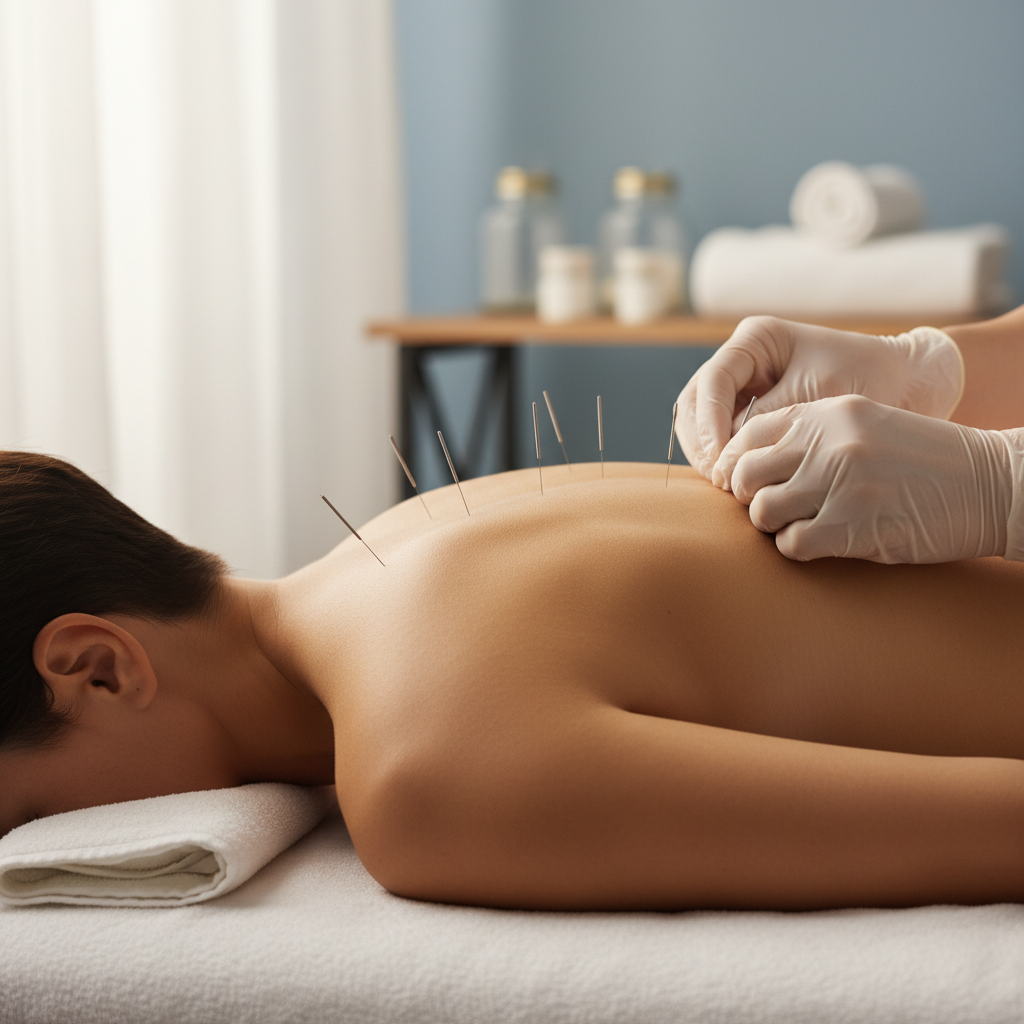
Dry needling is a therapeutic technique used by physical therapists to treat muscle pain and improve mobility. It involves inserting thin needles into specific trigger points in the muscles. Unlike acupuncture, which is rooted in traditional Chinese medicine, dry needling is based on modern Western medical principles.
How Does It Work?
The primary goal of dry needling is to relieve muscle tension and pain. When the needle is inserted into a trigger point, it can cause a twitch response, which helps release the tension. This process increases blood flow and promotes healing, leading to improved muscle function.
Many patients report experiencing immediate relief after a session. The technique can be particularly effective for conditions like back pain, neck pain, and sports injuries.
Benefits of Dry Needling
Dry needling offers several benefits, making it a popular choice for those seeking pain relief and improved mobility. Here are some of the key advantages:
- Reduces Pain: By targeting the source of pain directly, dry needling can provide fast and effective relief.
- Improves Range of Motion: Releasing muscle knots can enhance flexibility and movement.
- Accelerates Recovery: Increased blood flow promotes quicker healing, allowing for a faster return to normal activities.

Who Can Benefit?
Dry needling is suitable for a wide range of individuals, from athletes to office workers. It is particularly beneficial for those experiencing chronic pain or muscle tightness. However, it is essential to consult with a healthcare professional to determine if it's the right option for you.
What to Expect in a Session
A typical dry needling session lasts between 20 to 30 minutes. During the session, the therapist will insert needles into the targeted areas. You may feel a slight twitch or discomfort, but this is usually brief.
After the session, it's normal to experience some soreness, similar to what you might feel after a workout. Drinking water and resting can help alleviate this temporary discomfort.

Is Dry Needling Safe?
When performed by a trained professional, dry needling is considered safe. The risks are minimal, and adverse effects are rare. However, it's crucial to ensure that the practitioner is certified and experienced in the technique.
Conclusion
Dry needling can be a transformative part of your recovery process. By targeting muscle pain at its source, it offers a path to relief and improved functionality. Whether you're dealing with chronic pain or recovering from an injury, this technique could be a valuable addition to your treatment plan.
Consult with your healthcare provider to explore how dry needling can be integrated into your recovery journey, and take the first step towards a pain-free life.