
Bike Fitting: Enhancing Performance and Preventing Injuries


Understanding Bike Fitting
Bike fitting is a crucial aspect of cycling that often goes overlooked. It involves adjusting your bike to fit your body perfectly, ensuring that you can ride comfortably and efficiently. A proper bike fit can significantly enhance your performance while also preventing injuries that can be caused by poor posture or misalignment.
The main goal of a bike fitting is to align your bike with your physical needs and riding style. This process takes into account various factors such as your body measurements, flexibility, and cycling goals. Whether you are a casual rider or a competitive cyclist, a good fit can make a substantial difference.
Key Benefits of a Proper Bike Fit
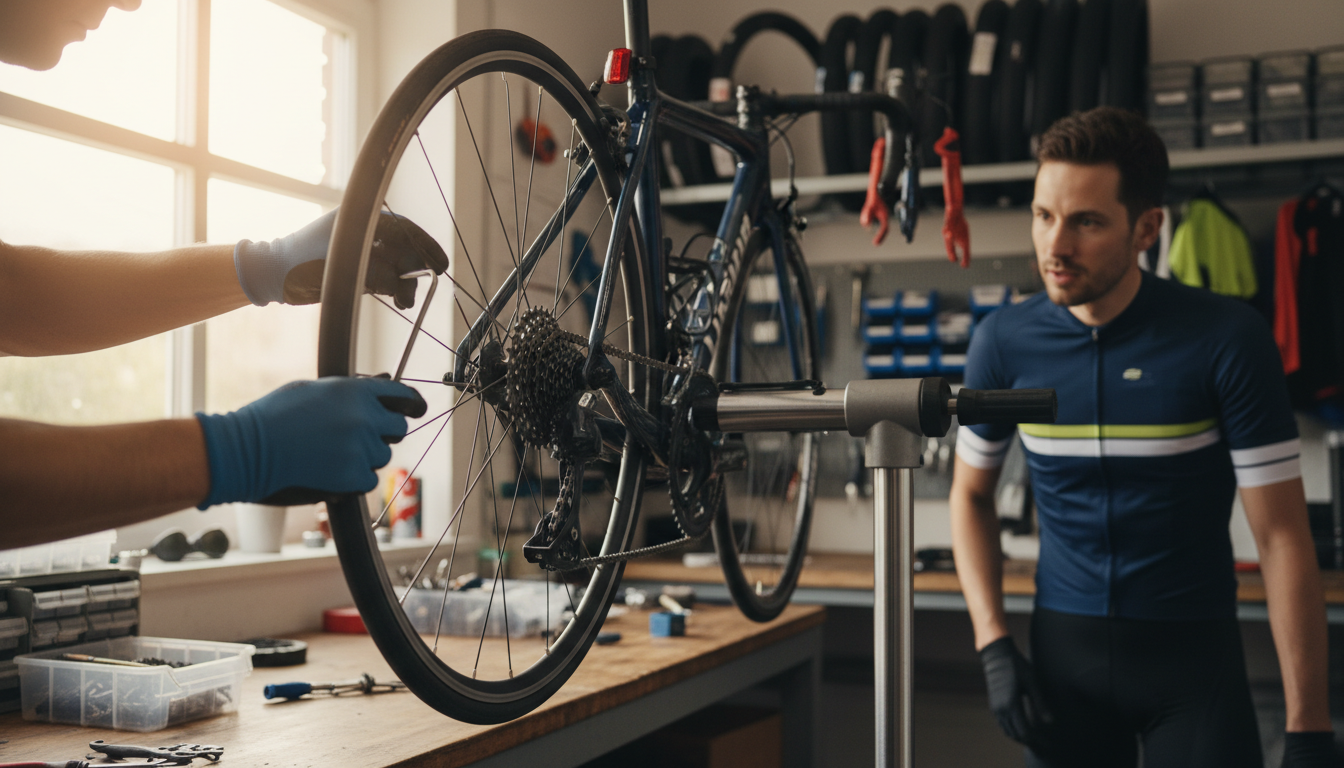
One of the most significant benefits of a proper bike fit is improved performance. When your bike fits you correctly, you can generate more power with less effort. This efficiency translates into faster speeds and the ability to ride longer distances without fatigue.
Another critical benefit is injury prevention. Poor bike fit can lead to a range of injuries including knee pain, back pain, and numbness in the hands or feet. By ensuring that your bike is correctly adjusted, you can reduce the risk of these common cycling injuries.
The Bike Fitting Process
The bike fitting process typically involves several steps:
- Initial Assessment: A professional will evaluate your riding style, flexibility, and any existing injuries.
- Measurements: Your body measurements are taken to adjust the bike dimensions accurately.
- Adjustments: The seat height, handlebar position, and pedal alignment are adjusted.
- Test Ride: You may be asked to take a test ride to ensure comfort and efficiency.
Components of a Bike Fit
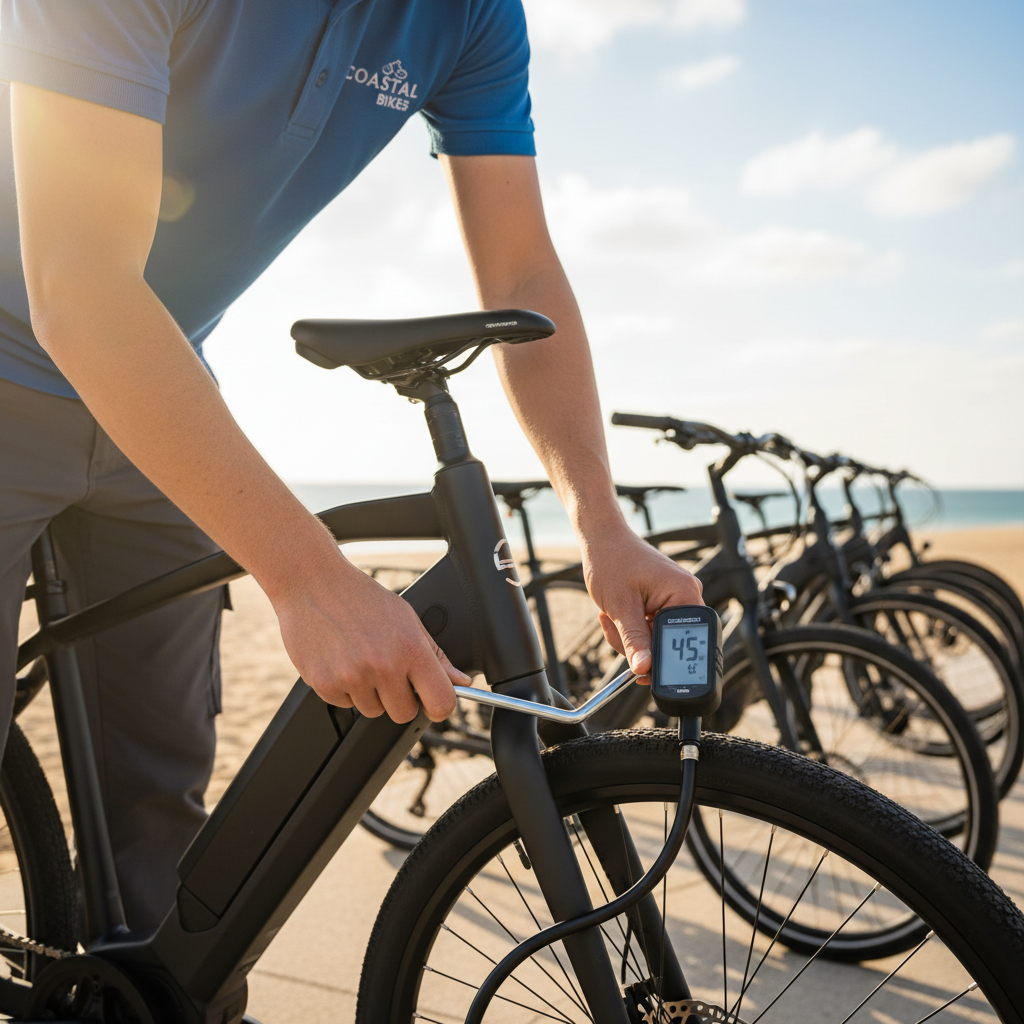
Several components are adjusted during a bike fitting. The saddle height is crucial for maintaining proper leg extension, while the saddle position affects your posture on the bike. Handlebars need to be at the right height and distance to prevent strain on your back and shoulders.
Pedal and cleat adjustments are also essential. Proper alignment can prevent knee injuries and ensure efficient power transfer from your legs to the bike. Each of these components plays a vital role in achieving a comfortable and efficient ride.
When to Get a Bike Fit
You might wonder when the right time is to get a bike fit. Ideally, you should consider a fitting when purchasing a new bike or if you start experiencing discomfort during rides. Additionally, if you are changing your cycling discipline or training intensity, a fit can help accommodate those changes.
Regular cyclists should consider periodic fittings to account for changes in flexibility or fitness levels. Maintaining an optimal fit is an ongoing process that can evolve with your cycling journey.

Conclusion
Investing in a professional bike fit is an investment in your cycling experience. By ensuring your bike is tailored to your body, you enhance performance, comfort, and safety. Whether you're aiming for competitive success or simply enjoying a leisurely ride, a proper bike fit is a key component of cycling enjoyment.